



EffuTreat is a specially formulated microbial consortium designed to accelerate the biological degradation of organic pollutants in industrial effluents. It helps achieve consistent BOD/COD reduction, minimizes sludge generation, and stabilizes ETP operations for long-term compliance.

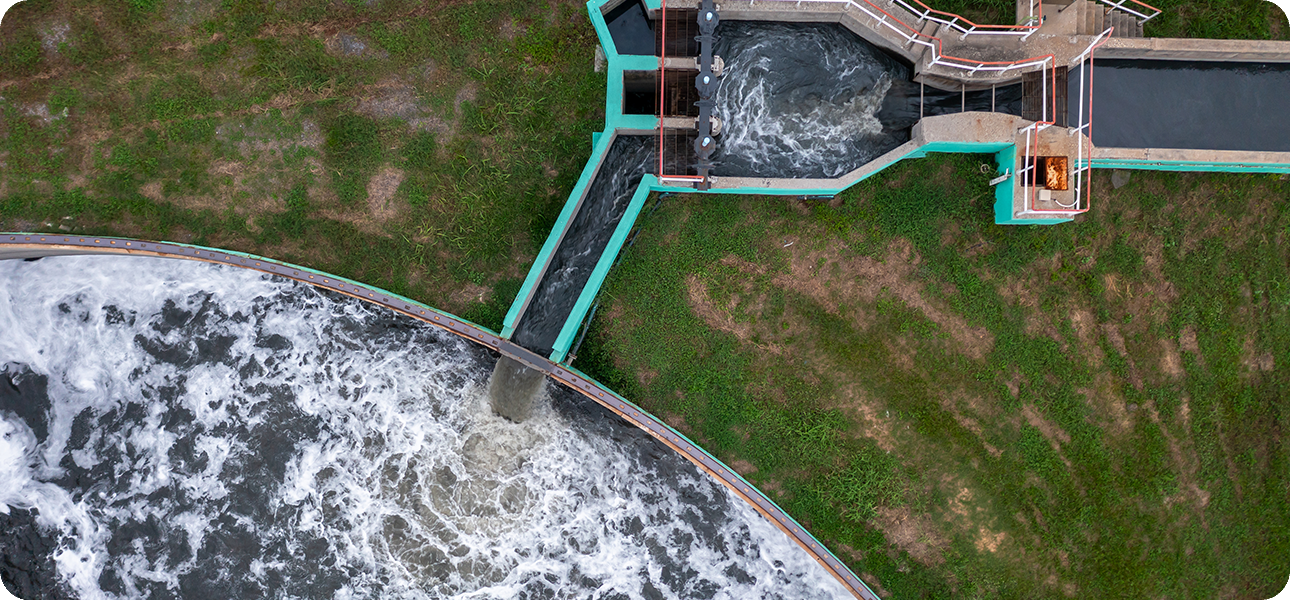
SepTreat Remediation is a high-activity microbial formulation designed to restore and stabilize upset sewage treatment plants. It accelerates recovery from toxic shocks, hydraulic/organic overloads, and seasonal upsets while curbing foaming and odour. Ideal for SBR, MBBR, MBR and conventional aeration systems, it rebuilds a resilient biomass, improves BOD/COD removal, and helps re-establish nitrification/denitrification for consistent, compliant effluent quality.

Re-seeds robust aerobic populations and enzymes to quickly restore oxidation rates, reduce start-up time after upsets, and deliver faster compliance with discharge norms.

Mitigates foam and foul odour by suppressing VFA build-up and discouraging filamentous dominance, helping recover healthy sludge characteristics.
Designed for efficient biological treatment across multiple industries and effluent types.
EffuTreat is a high-performance microbial consortium developed to accelerate the biological oxidation of organic pollutants in industrial effluents. It enhances the natural biodegradation process, helping reduce BOD, COD, TSS, and odour while improving MLSS stability and settleability.
Yes. EffuTreat is compatible with most biological treatment systems including SBR, MBBR, MBR, ASP, and hybrid ETPs. Our technical team customizes the dosing program based on plant capacity, influent load, and treatment design.
You’ll generally observe noticeable improvements in 3–7 days, including better MLSS activity, reduced odour, and more stable effluent parameters. Full stabilization typically occurs within 2–4 weeks, depending on influent variation and process conditions.
Absolutely. EffuTreat is non-toxic, non-pathogenic, and 100% eco-friendly. It does not contain harmful chemicals or genetically modified organisms, making it safe for operators, equipment, and the environment.
The dosage is calculated based on parameters such as plant capacity (KLD), influent BOD/COD, sludge volume, and system type. Our process engineers provide a customized dosage and maintenance plan after analyzing your plant data or lab reports.